

For people seeking eye care in Las Piñas, knowing where to get a consultation is only the first step. Understanding the available tests and treatments can make it easier to prepare for a visit and ask the right questions.
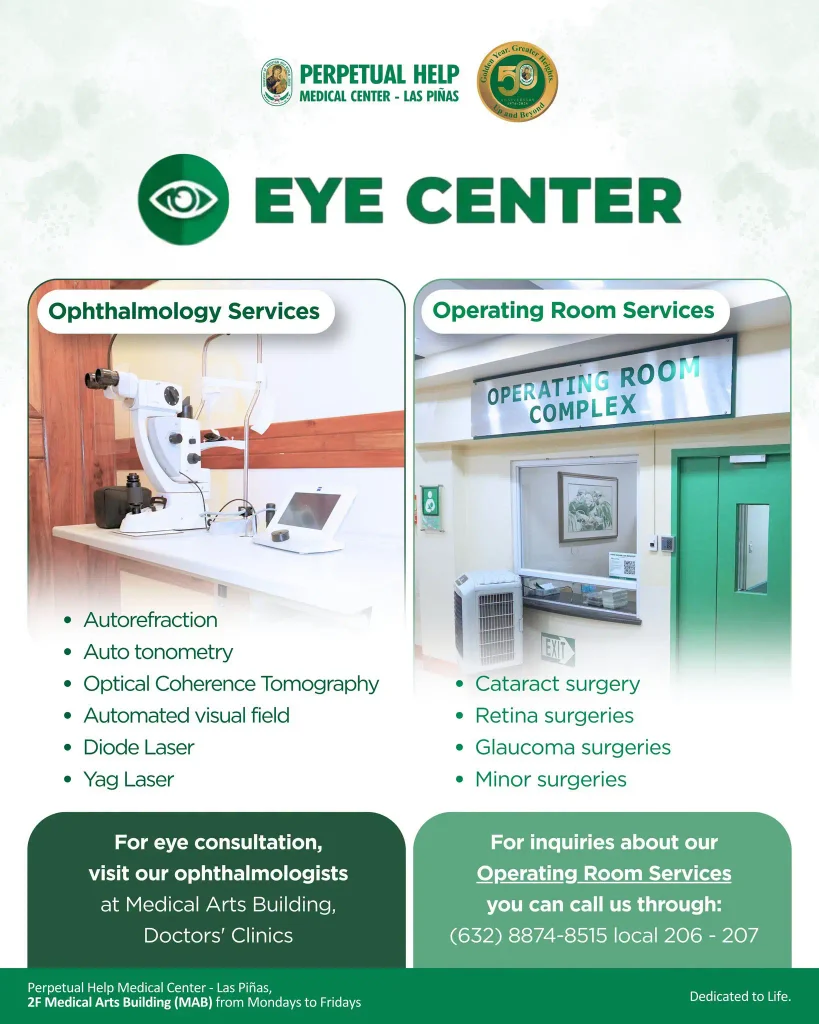
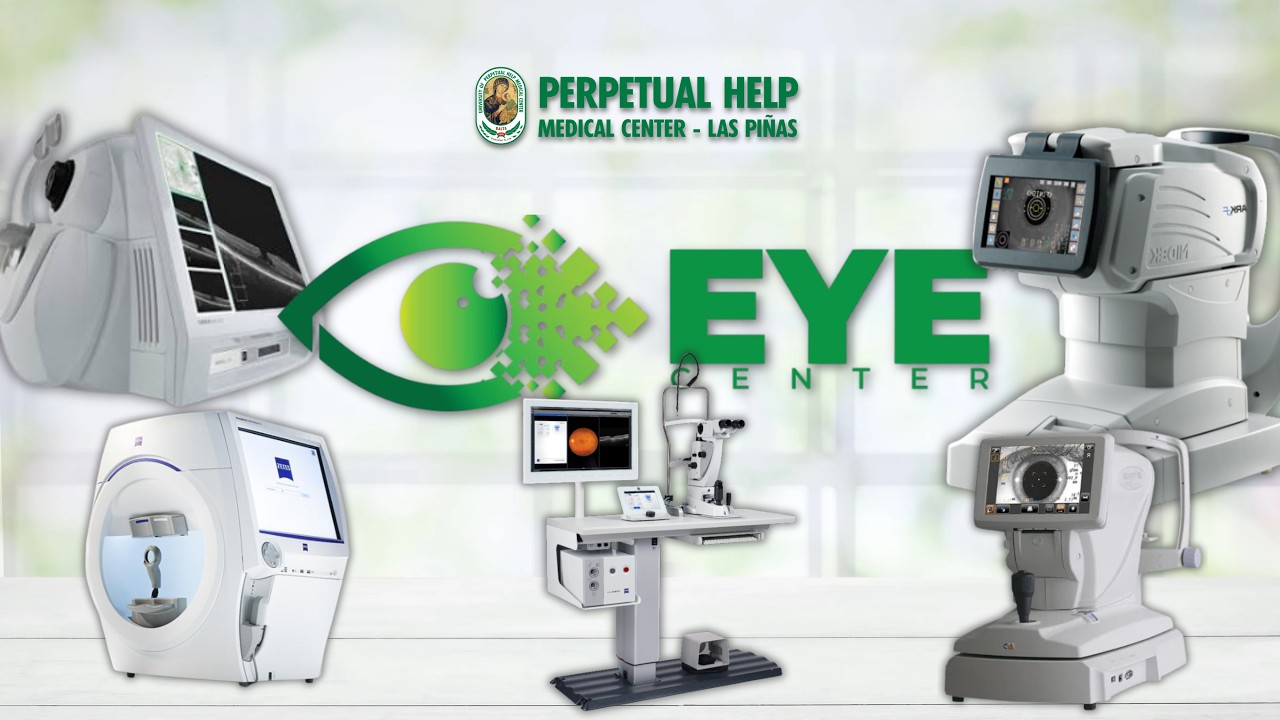
The Eye Center at Perpetual Help Medical Center–Las Piñas (PHMC) provides diagnostic services and treatment options for a range of eye conditions. According to the hospital’s service materials, these include autorefraction, automated tonometry, optical coherence tomography (OCT) and automated visual field testing, as well as laser treatments and ophthalmic surgery.
Here is a practical guide to what those services involve, when to seek an assessment and how to find an ophthalmologist at the Perpetual Help Medical Center–Las Piñas.
Why an eye examination involves more than a glasses prescription
Difficulty reading, persistent blurred vision or trouble seeing in dim light can interfere with work, travel and daily routines. An examination helps establish whether a focusing problem or another eye condition is responsible.
Some conditions may develop before a person notices any change. Glaucoma, for example, can damage the optic nerve without obvious early symptoms. The National Eye Institute explains that early treatment can help protect remaining vision, although it cannot reverse damage already caused by glaucoma.
An ophthalmologist can review your symptoms and medical history, examine your eyes and recommend appropriate tests. Patients do not need every available test simply because a center offers it.
Eye tests available at PHMC Las Piñas Eye Center
The names may sound technical, but each test answers a different question about your vision or eye health.
| Test | What it checks | Why your doctor may request it |
|---|---|---|
| Autorefraction | Provides an automated estimate of the eye’s refractive error, such as nearsightedness, farsightedness or astigmatism. | Helps guide a refraction assessment. The machine’s estimate may need refinement before a final glasses prescription. |
| Automated tonometry | Measures pressure inside the eye. | Contributes to glaucoma assessment and monitoring. A pressure reading alone cannot confirm or rule out glaucoma. |
| Optical coherence tomography (OCT) | Uses light to produce detailed cross-sectional images of the retina and measurements of relevant nerve tissue. | Helps assess and monitor conditions affecting the retina or optic nerve, including diabetic eye disease, macular disease and glaucoma. |
| Automated perimetry or visual field testing | Maps sensitivity across your visual field, including side vision. | Helps identify and monitor patterns of vision loss, particularly when glaucoma is suspected or diagnosed. |
These tests complement a clinical examination. OCT shows structural detail, while visual field testing evaluates visual function. Your ophthalmologist interprets the findings together rather than treating any single result as a complete diagnosis. The American Academy of Ophthalmology’s OCT guide explains how imaging helps with diagnosis and ongoing monitoring.
Laser treatments and surgical services
The hospital’s materials also list diode laser and YAG laser services. These are treatments used for specific indications, not routine screening tests. Your ophthalmologist should explain the exact procedure, its purpose, potential risks and follow-up requirements before you decide to proceed.
The hospital’s poster identifies the following operating-room services:
- Cataract surgery
- Retinal surgeries
- Glaucoma surgeries
- Minor ophthalmic surgeries
A cataract is a cloudy area in the eye’s natural lens. Cataract surgery removes that lens and replaces it with an artificial one. Whether surgery is appropriate depends on your examination and how the cataract affects daily activities, among other clinical considerations. The National Eye Institute’s cataract surgery guide outlines the decision and procedure.
Retinal and glaucoma conditions require an individual treatment plan. Having a diagnosis does not automatically mean you need surgery. Ask the treating specialist which options apply, what improvement or disease control is realistically expected, and what recovery will involve.
When should you arrange an eye consultation?
Book an assessment if you notice persistent blurred vision, increasing difficulty reading, glare that interferes with daily activities, or changes in how well you see. Mention any history of diabetes, high blood pressure, previous eye treatment or glaucoma in your family.
Even when your vision seems fine, ask how often you need a comprehensive eye examination. The interval depends on your age, health and risk factors. The National Eye Institute emphasizes that some eye diseases have no early warning signs and that examination schedules should reflect individual risk.
Symptoms that should not wait for a routine appointment
Seek urgent eye care or go to an emergency department if you develop a sudden increase in floaters, flashes of light, or a dark curtain or shadow across your vision. These can be symptoms of retinal detachment. Severe eye pain with redness, blurry vision or nausea can also signal an urgent problem, including angle-closure glaucoma.
How to prepare for your visit
- Bring your current glasses and previous eye records. Earlier prescriptions, scans and test results can help your doctor assess changes.
- List your medicines and eye drops. Include supplements and relevant medical conditions.
- Describe what has changed. Note when symptoms started, whether one or both eyes are affected, and which activities have become difficult.
- Ask whether dilation is expected. Dilating drops can temporarily blur vision and increase light sensitivity. Plan transport if needed and avoid driving while your vision is affected.
- Confirm fees and coverage. Ask about consultation charges, test costs, appointment requirements and any applicable HMO arrangements before visiting.
If treatment is recommended, ask how it may affect work, driving, household responsibilities and physical activity. Discuss whether you will need someone to accompany you and when you should return for follow-up. Recovery advice depends on the procedure and your eye condition.
Where to find the Eye Center and an ophthalmologist
The hospital’s materials identify the Eye Center at the 2nd Floor, Medical Arts Building, Perpetual Help Medical Center–Las Piñas, on Alabang–Zapote Road, Pamplona III, Las Piñas City. The poster lists service days as Monday to Friday; confirm current hours and your doctor’s clinic schedule before traveling.
For an eye consultation, use the hospital’s ophthalmologist directory to find a specialist and check clinic details.
For operating-room service inquiries, the hospital’s poster lists (02) 8874-8515, locals 206–207. This is the operating-room contact listed in the poster, rather than a confirmed appointment line for individual ophthalmologists.
Frequently asked questions
Is an eye pressure test enough to check for glaucoma?
No. Tonometry is useful, but glaucoma assessment also considers the optic nerve and other examination findings. Visual field testing or imaging may be needed. The National Eye Institute cautions that tonometry alone is insufficient for an accurate diagnosis.
Does every patient need an OCT scan?
No. OCT is a specialized imaging test. Your ophthalmologist decides whether it is appropriate based on your symptoms, history and examination.
Can I visit even if I have no symptoms?
Yes. An eye examination can help identify problems before you notice a change. Ask your ophthalmologist which examinations you need and when to return.
How to take the next step
If you have noticed a change in your eyesight or want advice on an examination schedule, you can consult an ophthalmologist at Perpetual Help Medical Center–Las Piñas.
Service information is based on the hospital poster and video supplied for this article. Confirm current availability, schedules and fees directly with the hospital. This article provides general information and does not replace an individual eye examination.
References
- Perpetual Help Medical Center–Las Piñas: supplied Eye Center poster and video; official hospital website.
- National Eye Institute: dilated eye examination, glaucoma, retinal detachment and cataract surgery resources linked above.
- American Academy of Ophthalmology: Eye Exam and Vision Testing Basics; OCT guide linked above.
- American Academy of Ophthalmology: Refractive Errors Preferred Practice Pattern.