

Rodil V. Zalameda has become the Philippines’ 28th Chief Justice after President Ferdinand Marcos Jr. appointed him to the post on November 5, 2026, ahead of the retirement of Chief Justice Alexander G. Gesmundo on November 6.
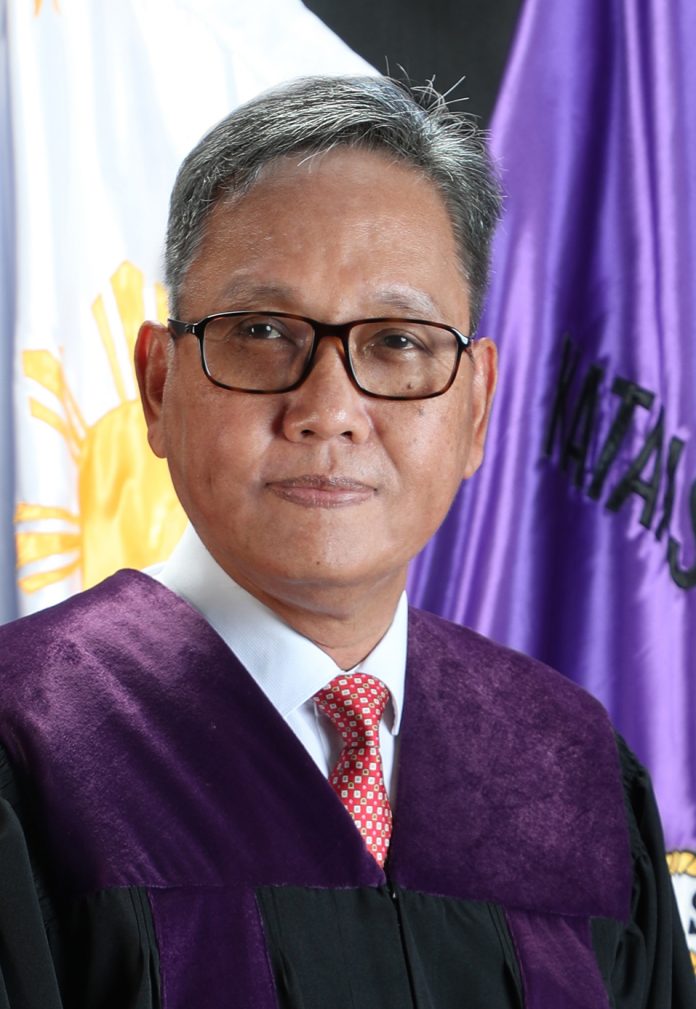
The appointment closes one leadership transition at the country’s highest court and opens another at an institution that decides constitutional disputes, election-related cases, and major questions involving public accountability. The Supreme Court later confirmed that Zalameda took his oath before President Marcos, formally marking his assumption of the judiciary’s top post.
What changed
The Palace announced on November 5 that Marcos had chosen Zalameda as the next Chief Justice, according to the Presidential Communications Office. The succession was tied to Gesmundo’s retirement upon reaching the judiciary’s compulsory retirement age.
The Supreme Court, in a later post, said Zalameda was appointed on November 6, 2026 following Gesmundo’s retirement and that he took his oath before the President. The Court’s announcement is available on its official website here.
State media and other established reports identified Zalameda as the 28th Chief Justice of the Philippines.
Why the position matters
The change is significant beyond the ceremonial title. The Chief Justice leads the Supreme Court, the highest court in the country, and helps oversee the administration of the judiciary.
Under the Constitution and the Court’s own framework, the Supreme Court is composed of one Chief Justice and 14 Associate Justices. That makes the post important not only for deciding cases but also for steering the Court’s internal work, including how it manages its docket and judicial administration. The Court’s constitutional role helps explain why transitions in the chief justiceship matter to ordinary Filipinos even when no immediate policy shift is announced.
In practical terms, the Supreme Court can affect issues that reach far beyond the legal profession: disputes over government powers, election controversies, corruption and accountability cases, and rules that shape how quickly or slowly cases move through the courts.
Zalameda’s path to the top court post
Before his elevation, Zalameda was serving as an Associate Justice of the Supreme Court. Established reporting cited in the supplied research says he was appointed to the high court in 2019.
That background matters because the appointment did not bring in an outsider to lead the Court. Instead, Marcos chose from within the Supreme Court’s existing membership, a move that can suggest institutional continuity, though the supplied sources do not state any detailed policy agenda or administrative reform plan from Zalameda himself.
So far, the verified information is limited to the appointment, the succession timeline, and the oath-taking. The reviewed sources do not provide a fuller public roadmap on how Zalameda plans to handle case congestion, committee assignments, or possible procedural reforms.
Why Gesmundo left office
Gesmundo’s exit was a retirement-based vacancy, not a resignation or removal issue in the materials reviewed for this article.
The 1987 Constitution provides that members of the judiciary hold office during good behavior until they reach the age of 70, unless they become incapacitated or are removed for cause. That constitutional rule explains why the transition occurred in early November 2026 and why the vacancy was expected rather than abrupt.
The same constitutional framework also sets minimum qualifications for members of the Supreme Court, including being a natural-born citizen of the Philippines, at least 40 years old, and having at least 15 years as a judge of a lower court or engaged in the practice of law.
What this means for Filipinos
For many readers, a change in Chief Justice can feel distant from daily concerns like prices, wages, transport, or taxes. But the leadership of the Supreme Court still matters in concrete ways.
For voters: the Court can rule on election and constitutional disputes that affect political stability.
For taxpayers: major public accountability and corruption-related cases can eventually reach the judiciary.
For workers and families: Supreme Court rulings can shape labor, benefits, and administrative-law questions with real economic consequences.
For court users: judicial administration influences how efficiently the court system functions.
That said, readers should be careful not to assume immediate legal or political change from the appointment alone. No detailed new judicial agenda was described in the supplied official and media reports.
What remains unclear
Several important questions remain unanswered based on the reviewed sources.
Zalameda’s specific administrative priorities have not yet been laid out in detail in the supplied materials.
No immediate reorganization of Court assignments, committee leadership, or procedural priorities was detailed in the sources reviewed.
The Palace’s reviewed announcements did not provide an extensive explanation of why Zalameda was selected over other possible contenders beyond general references to leadership and confidence in the judiciary.
Those gaps matter because the influence of a new Chief Justice is often seen not only in headline-grabbing rulings but also in quieter administrative decisions that shape case management and court operations.
What to watch next
The next meaningful developments will likely come from official Supreme Court actions rather than speculation.
Readers should watch for any early public statements from Zalameda, administrative orders, en banc assignments, or signals on how the Court may approach internal governance under its new leader. Those developments would offer a clearer picture of whether the transition is mainly one of continuity or whether it will bring visible changes in court administration.
FAQ
When was Rodil Zalameda appointed Chief Justice?
The Palace announcement was dated November 5, 2026.
When did he assume the post?
The Supreme Court said he was appointed on November 6, 2026 following Gesmundo’s retirement, and later took his oath before President Marcos.
Why did Alexander Gesmundo leave office?
He retired under the Constitution’s rule that members of the judiciary serve until age 70, unless earlier incapacitated or removed for cause.
Why is this appointment important?
The Chief Justice leads the country’s highest court, which plays a central role in constitutional issues, election disputes, public accountability cases, and the administration of the judiciary.
Zalameda’s appointment does not by itself signal a new legal doctrine or reform program. But as the new head of the Supreme Court, he now takes over one of the most consequential posts in Philippine government at a time when the judiciary remains central to major legal and political questions.
Sources
- PBBM, itinalaga si Zalameda bilang susunod na Chief Justice – Presidential Communications Office
- TOC_CIVPRO_ML.indd
- Marcos appoints Zalameda as chief justice | Philstar.com
- Chief Justice Zalameda Takes Oath before President Marcos – Supreme Court of the Philippines
- Marcos swears in new SC chief justice Zalameda | Philippine News Agency
- Marcos names Rodil Zalameda as new Supreme Court chief justice | GMA News Online
- Decision 84 G.R. No. 237428
- PBBM selects SC Justice Zalameda as next chief justice | Philippine News Agency
- The Constitution of the Republic of the Philippines | Official Gazette of the Republic of the Philippines